
Conventional DOOH was based mostly on the assumption that every person passing a screen was a target, and it was location-specific.
DOOH advertising in today’s digital environment requires precise audience profiling. The type of people watching the advertisement in a certain area must now be identified and investigated. This approach helps marketers transition from broad reach to true engagement, or engagement that captivates and converts.
This blog shows how critical audience profiling is in modern DOOH media. This will also reveal how audience measurement platforms are advantageous for precise content targeting.
What is Audience Profiling?
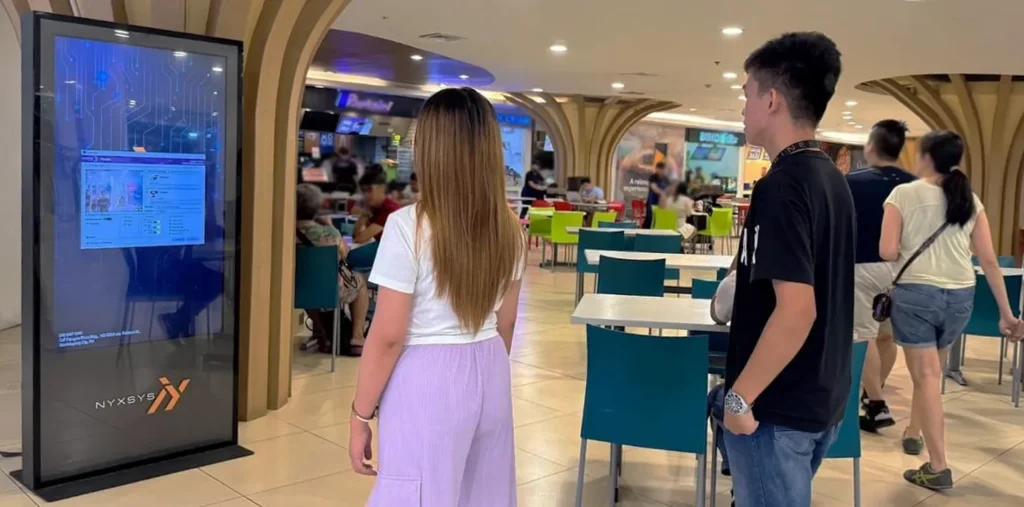
Simply put, audience profiling is defined as analyzing the data of people exposed to a digital screen. This counts a review of demographics, interests, behaviors, and even mobility patterns. Audience profiling reveals information on the type of individual present in front of, say for example, an LED signage. It goes beyond just knowing where a digital screen is positioned.
This method is often practiced by brands to achieve high relevance and proper personalization of their campaigns. What this does is essentially mitigates misalignment between a brand’s messaging and its audience. Furthermore, it also aids in identifying whether or not a brand’s ideal target audience matches the real viewers of their active digital out of home media.
How is Audience Profiling Done?
Audience profiling is subject to a thorough methodology. Its process covers collection, aggregation, and processing of information coming from multiple sources. Various sources counts as the following:
Mobile Movement Data
Sensor Analytics
Behavioral Insights
With the help of AI-driven pattern recognition, the collected information will be then analyzed to create a map of those frequenting a specific digital screen location. As you have just read, audience profiling is a multi-layered process. Oftentimes, it can be overwhelming, but this valuable process assists marketers in digital signage management. Ultimately, audience profiling helps create a more knowledgeable insight of real-time audience exposure.
Location-Only Targeting and Its Limitation Compared to Audience Profiling
As we’ve mentioned in the introduction of this blog, conventional DOOH advertising was location-specific. However, location-only targeting poses the issue of contextual relevance.
Compared to data-driven and audience-targeted methods, location-only targeting cannot distinguish between a local resident, a tourist, a student, or a high-income professional. This means that your ad content may end up being generic and not tailored to the specific people likely to be viewing the LED billboard or LED signages at that moment.
So while high-traffic physical locations guarantee impressions, it does not promise quality engagement. The bottom line is a mismatch. For example: placing luxury goods advertisements in a predominantly student-filled area. So remember this formula:
Good Location + Bad Audience Profile = Low Campaign ROI
Not only would a low campaign ROI be a waste of money, it’s also a waste of opportunity.
How Audience Profiling Helps With Creating Personalized DOOH Campaigns and Why You Should Consider It

Having to grasp the concept of how audience profiling works and using it to brands’ advantage, tailoring campaigns with accuracy results to empower the ad industry to create contents that resonate to the perfect audience.
Optimizing Creative and Messaging for Specific Viewers
Profile data enables advertisers to provide information that appears relevant to the people who are watching the screen.
Dynamic Content Optimization (DCO) enhances personalization by employing real-time data to trigger creative variants based on an active audience profile. Profiling directly influences the relevancy, tone, and timing of the ad’s message.
Improving Media Spend Efficiency and ROI
Precise audience profiling significantly improves the financial performance of DOOH campaigns. When ads target the right profile, conversion rates—and thus ROAS—increase considerably.
Advertisers can only pay a premium for screens that reach a certified high percentage of their target audience. Audience profile data drives more effective cross-channel marketing, such as retargeting the same audience online following DOOH exposure.
Profiling makes DOOH a highly efficient, performance-driven channel by reducing waste and increasing relevance.
Calton Datx by Nyxsys: Powering Precise People Analytics
Calton Datx specializes at providing deep, granular audience and vehicle insights, which are required for excellent DOOH performance.
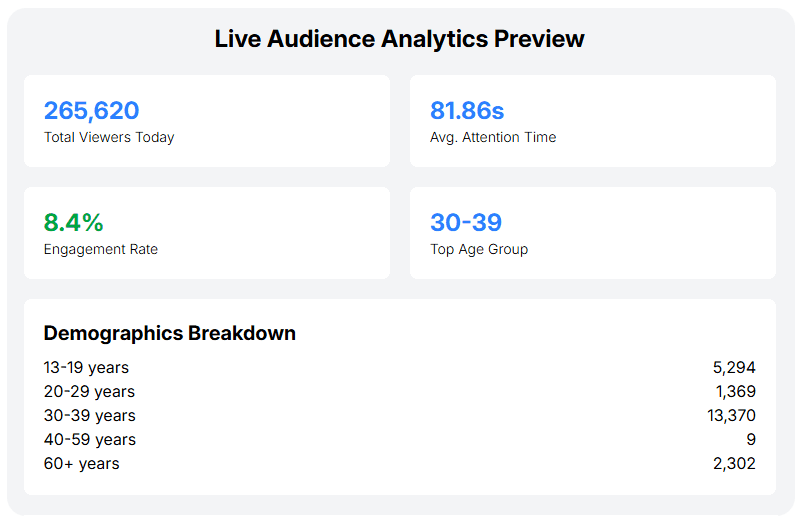
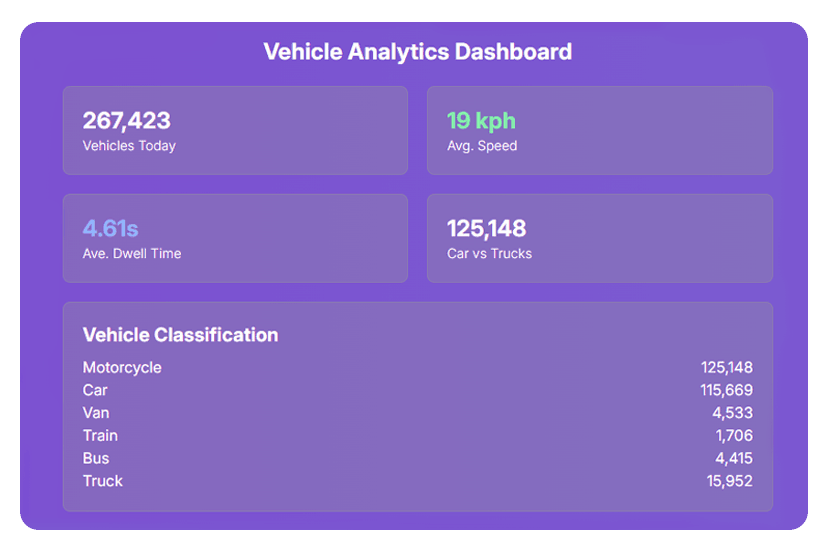
Calton Datx, an AI-driven analytics platform built by Nyxsys, provides powerful audience measurement data specifically designed for accurate and responsive audience profiling. It offers:
Live Audience Analytics
Traffic and Vehicle Analytics
With Calton Datx, advertisers can be confident that every impression is reaching the intended audience.

Get the Precise Profiling of Your Audience Today!
Stop displaying generic advertisements in generic areas! Calton Datx, Nyxsys’ AI-powered platform, provides you with the precise audience profiling data you need to validate your target demographic, dynamically personalize your DOOH content, and ensure increased engagement and return on advertising spend.