

The emergence of direct-to-consumer (D2C) brands in the Philippines has completely transformed the way businesses scale and reach their audiences. Currently, most brands start operations without physical stores and reach their audiences directly through their online platforms, marketplaces, and social commerce sites. Whether it is a beauty startup, fashion brand, or a lifestyle brand, Filipino entrepreneurs are creating businesses that are optimized for a digital-first world.
However, with this success comes a common problem that almost every D2C brand founder is familiar with: customer acquisition is becoming increasingly costly.
Digital marketing was once a cheap and effective way to reach a large number of people, but increasing competition has pushed the prices up on most popular platforms. Brands are now paying more to simply stay visible, and it is becoming increasingly difficult to improve performance. What most marketers are relearning is that purchases are rarely made online. A person may see an ad while commuting, remember it later, and then search for it on their phone before making a purchase.
Offline exposure remains a strong influence on online behavior. This trend indicates the emergence of a new growth model for today’s brands. The future of D2C growth in the Philippines is in DOOH for D2C advertising, turning offline highway commuters into high-intent online shoppers.
Why DOOH for D2C Brands Matters in the Philippines
Digital Out-of-Home advertising is the next generation of outdoor digital advertising, leveraging the power of intelligent and data-driven marketing. Unlike traditional outdoor advertising, DOOH campaign advertising uses digital screens that are driven by automation, dynamic scheduling, and audience analytics. For D2C brands, this means that outdoor advertising is finally able to leverage the same agility and strategic power as digital marketing.
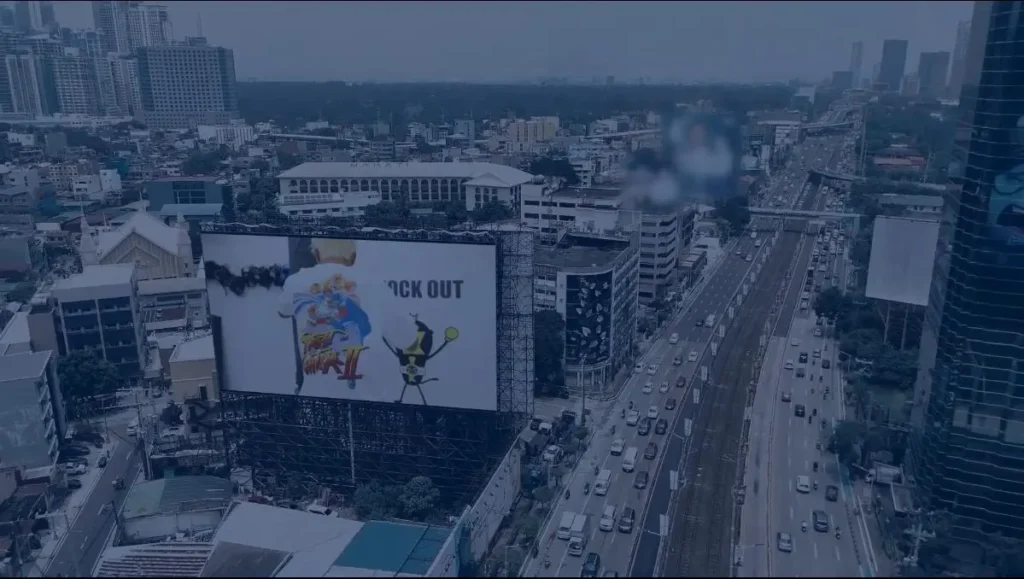
Industry experts have long indicated that outdoor advertising is a powerful way to enhance the entire customer journey. Consumers may be introduced to a brand in the physical world, verify it online, and then convert later through an e-commerce site. Rather than competing with digital marketing, DOOH advertising is able to enhance it by reinforcing the brand’s presence beyond the endless scroll of social media.
The Challenge of D2C Customer Acquisition in 2026
D2C brands in the Philippines are now facing one of the most competitive marketing landscapes in history. The cost of advertising on platforms such as Facebook and TikTok continues to increase as more brands enter the system, making it even more challenging for marketing teams to scale their businesses. Many brands find that in order to scale revenue, they must scale their ad spend disproportionately, making it more challenging to achieve profitability.
However, attribution has also become more complicated. Consumers now interact with a variety of touchpoints before making a purchase, and digital attribution systems do not account for offline interactions. A customer may be exposed to a brand several times before making a purchase, but the digital system will only attribute the sale to the last click.
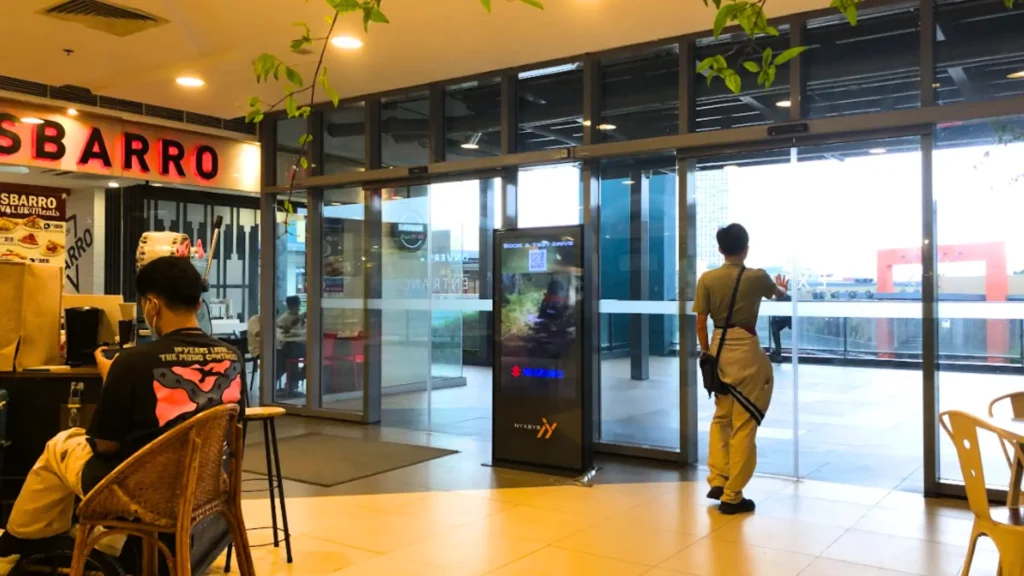
Another emerging issue is ad fatigue. Filipino consumers are bombarded with hundreds of ads daily, resulting in lower engagement rates and shorter attention spans. Even the best creative campaigns have difficulty cutting through the noise in social media feeds, where thousands of rival brands compete for the same audience. The oversaturation of digital media has also diminished brand recall, as ads vanish instantly once consumers scroll away from them. Without reinforcement in the real world, many brands become forgettable, failing to leave a lasting impression that can shape future buying behavior.
How DOOH for D2C Creates Omnichannel Advantage for Brands
DOOH advertising brings a game-changing element by extending brand reach from digital to the real world. When consumers see a brand on a large digital billboard, the perception shifts instantly. The brand appears more established and credible, particularly for D2C brands that do not have physical stores.
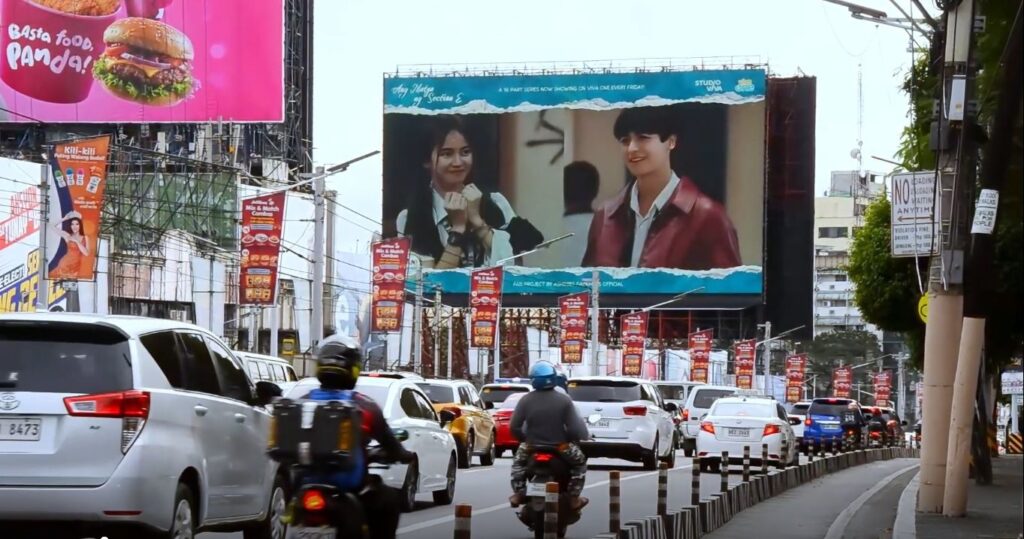
Strategically located along busy routes where people commute, brands are able to reach their target market repeatedly in their daily lives. Roads such as EDSA, SLEX, NLEX, and C5 are considered high-impact media platforms where millions of working professionals spend hours a week. Repeated exposure to these moments leaves a lasting impression, which is a huge factor in influencing purchasing decisions later on in digital platforms.
DOOH also reaches the audience during offline moments where people are not actively engaged with social media. With less competition for their attention, messages are more likely to be remembered. Brands have noticed improved performance in their digital campaigns after implementing DOOH campaigns because the audience is already familiar with the brand when they see it online.
Reserve these prime DOOH billboard spots for maximum repeated exposure.
The Philippine DOOH Opportunity
The Philippine market provides a set of very attractive conditions for the success of DOOH advertising. The traffic flow in Metro Manila provides a very long exposure time, with commuters spending two to three hours a day on the road. Additionally, Filipino Millennials and Gen Z consumers have strong purchasing power while being highly mobile-first and brand-aware.
The high smartphone penetration rate in the country provides a seamless transition from offline to online engagement. A commuter who sees a billboard can instantly search for the brand, visit its website, or make a purchase online via mobile commerce. Billboard placement in strategic areas such as residential areas, business districts, and shopping malls further optimizes the process by linking brand exposure to purchasing intent. As a result, highways become conversion platforms rather than awareness platforms.
How Nyxsys Philippines Transforms D2C DOOH Strategy
Nyxsys Philippines, on the other hand, takes a different approach to outdoor advertising by considering DOOH as a performance marketing ecosystem and not just a traditional branding exercise. The company’s integrated solution is tailored specifically for D2C brands that demand measurable outcomes, flexibility, and efficiency.
Nyxsys helps brands achieve real-time audience intelligence through the integration of high-quality media buys and advanced analytics. Brands are able to gain better insights into who is viewing their ads, when these views occur, and how the campaign can be optimized for improved performance outcomes.
Premium Billboard Network
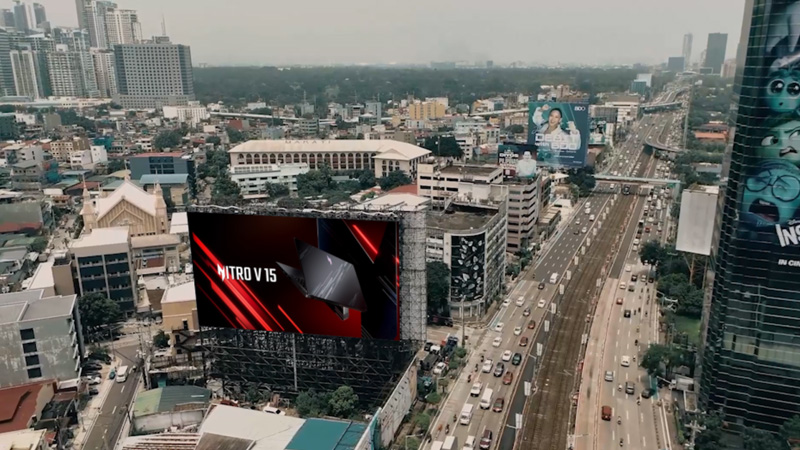
With its premium billboard network in Metro Manila, Nyxsys helps brands connect with high-impact LED screens along highways, mall poster boxes that reach consumers already in shopping mode, and indoor digital screens in high-traffic areas. Each of these locations is carefully chosen to ensure brand messaging is in sync with audience behavior and intent.
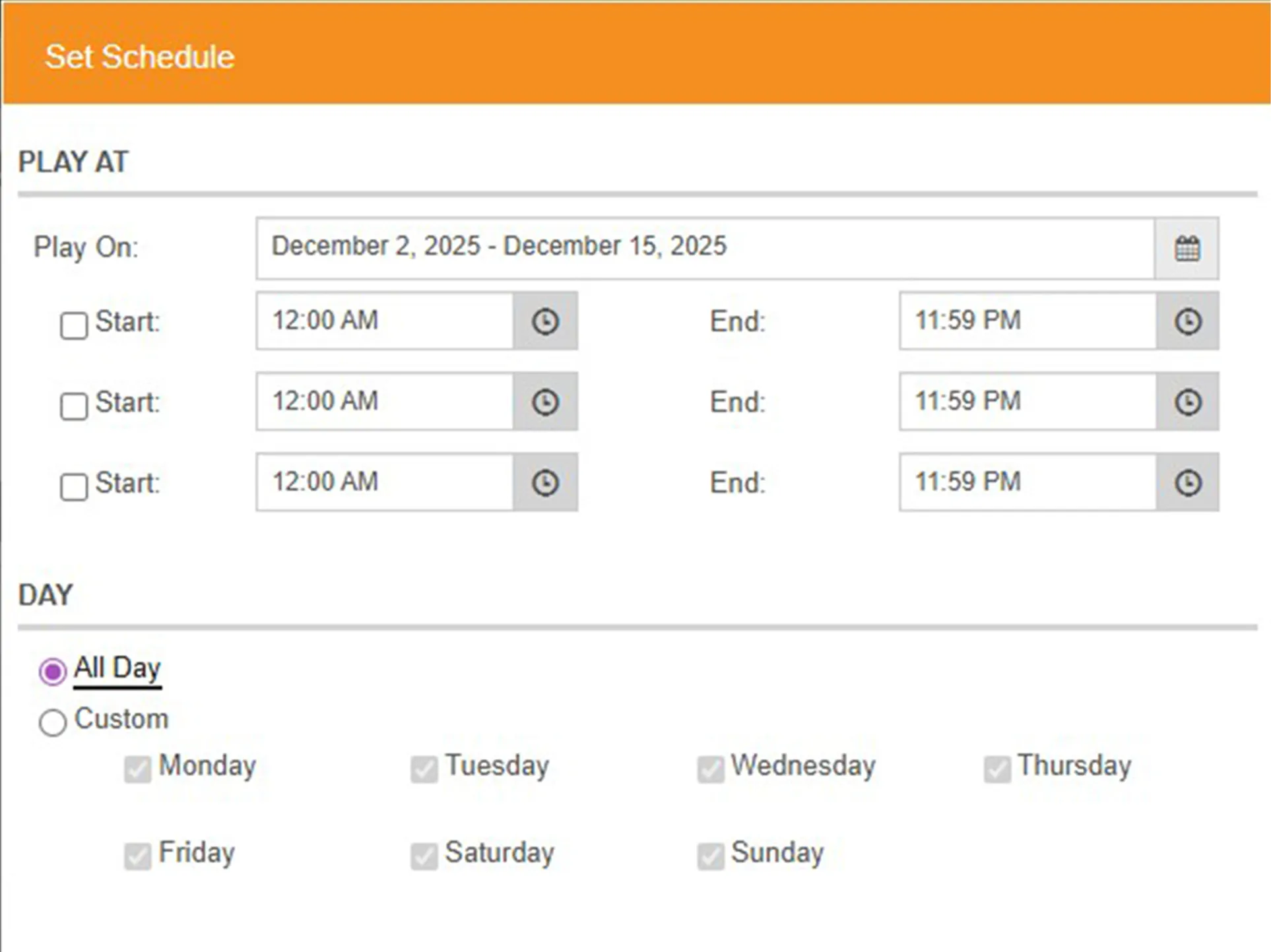
Content Management Made Easy
Campaign operations become much more nimble with the help of VcastPlay, a cloud-based content management platform that enables brands to change creatives in real-time without having to print or physically distribute them. Marketing campaigns can be set up to send messages at different times of the day, switch between creatives dynamically based on audience patterns, and perform A/B testing to optimize the effectiveness of the campaign.
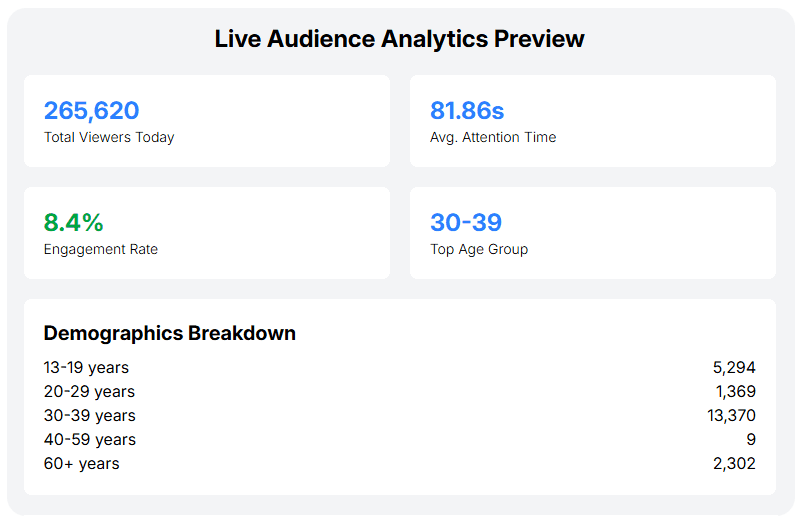
Audience Analytics for Accurate Audience Data
Analysis tools become more robust with the help of analytics from Calton Datx, which employs AI-powered vehicle and pedestrian detection to provide highly accurate audience data. Brands are able to view demographic data, dwell time, engagement windows, and traffic patterns for different hours, days, and seasons.
By bringing all these elements together in one analytics dashboard, DOOH exposure can be more directly linked to digital behavior, and D2C brands can better understand the role of offline visibility in driving online performance.
Strategic Applications of DOOH Ads for D2C Brands
DOOH advertising helps in various growth plans for D2C brands at various points in the marketing life cycle. During product launches, DOOH advertising provides massive reach, which may not be possible through digital marketing alone. Teaser campaigns placed along high-traffic routes are used to build pre-launch hype before the launch day itself, while QR codes and limited-time online deals encourage immediate website visits. Time-sensitive messages are used during peak hours to create a sense of urgency and allow brands to connect online traffic spikes with billboard exposure.

Location-based targeting helps brands match product categories with the most relevant audience. Beauty and wellness brands can target upscale areas such as Makati, Bonifacio Global City, and Alabang, while affordable fashion brands can target high-traffic routes with a younger demographic. Home and lifestyle brands are best placed near residential areas and condominium hubs where purchase intent is naturally higher, while food and beverage D2C brands can target office workers traveling to business districts during meal hours.
Seasonal and event-driven campaigns also demonstrate the flexibility of DOOH. In the Philippines, retail activity is highest during holidays, payday events, and large-scale e-commerce sales, making it possible to execute synchronized omnichannel campaigns. DOOH creatives can be synchronized with social media messaging to ensure consistent brand storytelling while adjusting content throughout the day. Real-time creative updates enable brands to promote flash sales, limited-time offers, or campaign extensions in an instant, keeping them relevant during rapidly unfolding promotional events.
Conclusion:
The D2C brands in the Philippines are now entering a new era of maturity where sustainable growth will require a combination of digital precision and offline visibility. While online advertising is still a must, D2C brands that only use online advertising will become invisible in a crowded market.
Nyxsys Philippines offers a comprehensive DOOH solution that combines high-end billboard advertising, flexible campaign management, and sophisticated audience analytics into a single, unified growth platform. By making outdoor advertising a measurable performance medium, D2C brands now have the power to scale awareness while staying efficient.
In the new age of D2C expansion, it won’t be the brands with the biggest ad budgets that succeed. It will be the brands that choose to appear where their customers live their lives – both on the highway and on their screens.
Ready to Turn Traffic Into Customers?
If you are a D2C entrepreneur, marketing professional, or growth team looking to tap into smarter omnichannel growth, schedule a strategy session with Nyxsys Philippines today and learn how DOOH for D2C can turn everyday visibility into measurable online sales.